


“Water is more than 99% of your brewed matcha cup. If your water quality is compromised, even the finest Ceremonial Grade powder cannot express its true potential.”
Chapter I: Understanding London's Mineral Geology
London water is renowned for its high mineral hardness. Originating from deep chalk aquifers beneath the Thames basin, London tap water contains elevated concentrations of dissolved calcium carbonate and magnesium ions, often measuring between 250 to 350 ppm (parts per million) total hardness.
While these minerals are completely safe for general consumption, they act as heavy chemical buffers during hot tea extraction. High mineral levels bind to delicate amino acids and aromatic volatile compounds, dulling natural flavors and creating a flat, chalky mouthfeel.
Chapter II: The Chemistry of Matcha Extraction
When high-grade shade-grown tea leaves are whisked in hard tap water, calcium ions react with natural polyphenols, causing them to precipitate rapidly. This suppresses the subtle umami sweetness of L-Theanine and highlights harsh astringent notes.
Furthermore, hard water prevents the formation of a stable, creamy micro-foam during whisking. Instead of a velvety emerald froth, hard water yields thin, large bubbles that collapse within seconds.
- Suppressed Umami: Heavy minerals block subtle vegetal and sweet flavor notes.
- Poor Micro-Foam: High surface tension prevents a rich, velvety froth layer.
- Cloudy Appearance: Mineral precipitation dulls the brilliant electric green color.
Chapter III: The Science of Water Temperature & Hardness
When hard water is heated to high temperatures, calcium carbonate precipitates out of solution as scale, further altering water pH toward alkaline levels (pH 7.8 to 8.2). High pH levels accelerate catechin oxidation, turning your freshly whisked tea from bright emerald green to dull brownish-yellow within minutes.
Maintaining a neutral or slightly soft water profile (pH 6.5 to 7.0) protects polyphenol stability and preserves the natural vibrant hue of ANSEI Ceremonial Grade Matcha.
Chapter IV: The Solution: Soft Filtered Water Protocols
To experience ANSEI Ceremonial Grade Matcha as our master producers intended, we strongly recommend using soft filtered or bottled spring water with a low mineral count (TDS under 100 ppm).
Using a multi-stage water filter pitcher or an under-sink reverse osmosis system transforms your daily bowl. Soft water at 80°C extracts amino acids cleanly, allowing the vibrant emerald hue, silky foam, and deep umami finish of ANSEI to shine without mineral interference.
Chapter V: Long-Term Cognitive and Physiological Synergy
Incorporating pure Ceremonial Grade Matcha into your daily lifestyle creates compounding long-term health benefits. Studies in clinical nutrition demonstrate that consistent polyphenol and amino acid intake supports endothelial flexibility, helps maintain healthy cholesterol ratios, and protects neural tissues from age-related oxidative decline.
Unlike synthetic supplements that isolate individual vitamins in laboratory settings, whole ground green tea leaves provide a complex matrix of co-factors, trace minerals, and natural chlorophyll. This botanical synergy ensures gentle digestion and maximal physiological utilization throughout your daily routine.
Chapter VI: Elevating Your Personal Standard in London
Ultimately, choosing ANSEI is about declaring a personal standard for how you treat your mind and body. In a fast-paced metropolis where shortcuts and mass-market convenience dominate, dedicating time to a pure, uncompromised botanical ritual grounds your purpose and enhances your focus.
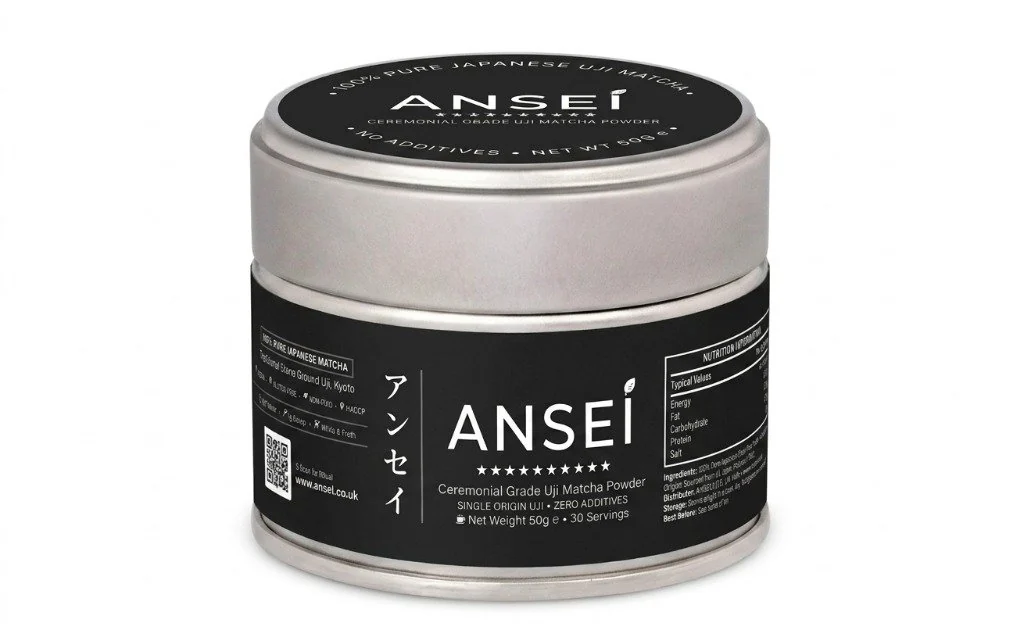
Whether you begin your morning overlooking Berkeley Square, prepare a quiet mid-day bowl in your Soho studio, or unwind after international travel, ANSEI delivers uncompromised botanical luxury in every single 50g tin.
Reader Discussion (0)
No comments yet. Be the first to share your thoughts on this ritual.
Leave a Reflection